

Split System vs Reverse Cycle: Core Differences
Split System vs Reverse Cycle: Core Differences
If you’ve been shopping for air conditioning, you’ve probably come across both terms and wondered whether they’re the same thing or two completely different systems. It’s a fair question, and the answer is a little bit of both.
This guide covers what each term actually means, how these systems work, and how to figure out which one makes the most sense for your home.
What Is a Split System Air Conditioner?
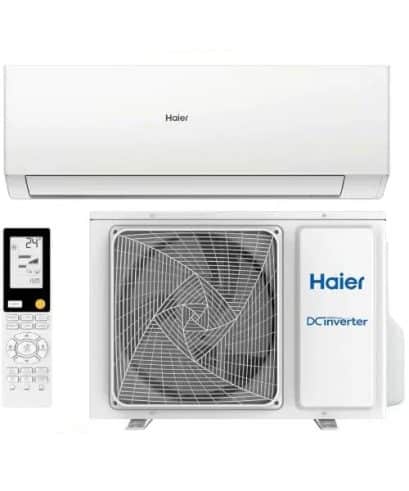
A split system air conditioner is a type of unit made up of two components: an indoor unit mounted on your wall and an outdoor compressor unit. The two are connected by refrigerant pipes and electrical cabling that run through a small hole in the wall.
Split systems are designed to cool or heat a single room or zone. They’re one of the most popular choices in Australian homes because they’re affordable, quick to install, and don’t require any major structural work.
What Is a Reverse Cycle Air Conditioner?
Reverse cycle refers to a technology, not a separate type of unit. A reverse cycle air conditioner can both cool your home in summer and heat it in winter, all using the same system.
It works by reversing the direction that refrigerant flows through the system. In cooling mode, heat is pulled out of your room and released outside. In heating mode, the process flips: heat is extracted from the outdoor air (even on cold days) and brought inside to warm your space.
So What’s the Difference?
Here’s where it clicks: most modern split systems are reverse cycle. The two terms overlap significantly. When people compare them, they’re usually asking one of two things:
- Is a basic cooling-only split system different from a reverse cycle one?
- Is a reverse cycle split system different from a reverse cycle ducted system?
Both are worth answering.
Cooling-Only vs Reverse Cycle Split Systems
Some older or budget split system models are cooling only. They’ll keep you comfortable through summer but won’t help when the temperature drops. Reverse cycle models do both, which is why they’ve become the standard choice for most Australian households.
| Feature | Cooling-Only Split System | Reverse Cycle Split System |
| Summer Cooling | Yes | Yes |
| Winter Heating | No | Yes |
| Upfront Cost | Lower | Slightly higher |
| Year-Round Value | Limited | Strong |
For most homes, the reverse cycle option is worth the extra upfront cost. You’re getting two appliances in one, and the running costs for heating are significantly lower than a portable heater or gas system.
Reverse Cycle Split System vs Reverse Cycle Ducted System
Both use reverse cycle technology, but they serve different purposes.
A reverse cycle split system controls the temperature in one room at a time. Each unit operates independently, so you can set different temperatures in different rooms. It’s ideal for apartments, smaller homes, or households that only want to heat or cool the rooms they’re actually using.
A reverse cycle ducted system runs from a central unit (usually in the roof) and distributes air through vents in every room. It’s a whole-home solution, better suited to larger properties where consistent comfort throughout is the priority.
| Feature | Reverse Cycle Split System | Reverse Cycle Ducted System |
| Coverage | Single room or zone | Whole home |
| Installation | Fast, minimal disruption | Complex, requires roof space |
| Upfront Cost | Lower | Higher |
| Running Cost | Lower (only heat/cool rooms in use) | Higher (whole home) |
| Aesthetics | Wall-mounted unit visible | Discrete ceiling vents |
| Temperature Control | Room by room | Centralised or zoned |
Which System Is Right for You?
The right choice comes down to the size of your home, your budget, and how you actually use your space.
A reverse cycle split system is a strong choice if you want year-round comfort in one or two rooms, you’re renting or want to avoid major renovations, your budget is under $3,000 installed, or you’re in an apartment or smaller home.
A reverse cycle ducted system makes more sense if you want whole-home climate control, you’re building or doing a major renovation, you prefer a cleaner look with no visible wall units, or you have a larger home with multiple rooms in regular use.
If you’re somewhere in between, a multi-head split system is another option worth considering. It connects several indoor units to a single outdoor compressor, giving you room-by-room control without the complexity and cost of full ducted installation.
A Note on Energy Efficiency
One of the biggest advantages of reverse cycle technology, regardless of system type, is efficiency. A reverse cycle unit doesn’t generate heat from scratch the way an electric heater does. It moves heat from one place to another, which means for every unit of electricity used, you can get three or more units of heating output.
When comparing models, look for the Energy Star rating. The more stars, the more efficient the unit, which adds up to real savings on your power bill over time.
Getting the Right Advice for Your Home
Choosing between a split system and a reverse cycle system, or between split and ducted, is easier when you’ve got someone to walk you through it based on your actual space.
At Weatherworld, our team helps Aussie homeowners find the right split system air conditioners for their needs, with honest advice on sizing, technology, and installation. Get in touch with the Weatherworld team to talk through your options.
FAQs
Is a split system the same as a reverse cycle system?
Not exactly. Most modern split systems are reverse cycle, meaning they can both heat and cool. However, some basic models are cooling only. When someone says “reverse cycle split system,” they mean a wall-mounted unit that does both.
Is reverse cycle heating cheaper to run than a gas heater?
Generally yes. Reverse cycle systems move heat rather than generate it, making them significantly more energy-efficient than gas ducted heating or portable electric heaters in most conditions.
Can a reverse cycle split system heat a whole house?
A single unit will only effectively heat the room it’s installed in. For whole-home heating, you’d need either multiple split systems, a multi-head setup, or a ducted reverse cycle system.
How do I know what size reverse cycle unit I need?
Sizing depends on the room’s dimensions, ceiling height, insulation, window size, and your local climate. A qualified installer can recommend the right kilowatt rating for your space.
Do reverse cycle systems work in very cold weather?
Yes, most modern reverse cycle units can extract heat from outside air down to around -15°C, well below anything Melbourne or most Australian cities would experience in winter.


Recent Comments