

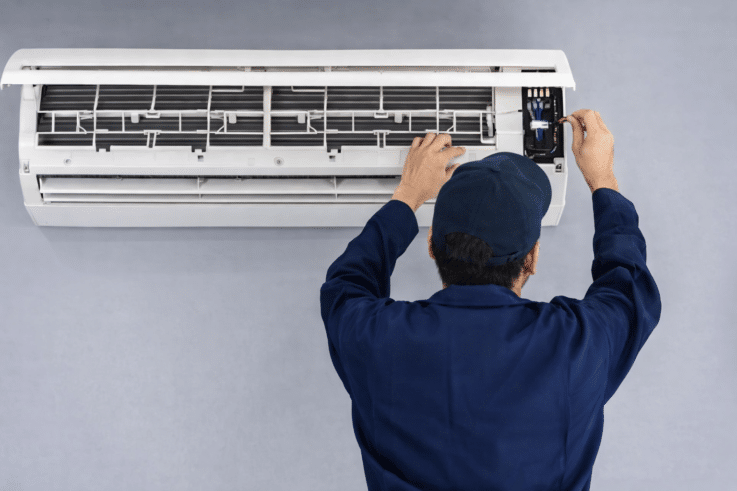
A Complete Guide to Air Conditioning Installation in Melbourne Price
Melbourne weather is famously unpredictable. We can experience four seasons in a single afternoon, but when the summer northern winds kick in, a reliable cooling system isn’t just a luxury. If you are looking to upgrade your comfort, the first question on your mind is likely: what is the current air conditioning installation cost?
Understanding the variables that influence the final invoice can help you budget effectively before the next heatwave arrives.
What Factors Determine Your Installation Quote?
The price of cooling your home is rarely a “one size fits all” scenario. In Melbourne, where housing styles range from high-ceilinged Victorian terraces to modern multi-storey apartments, several technical variables will shift your final price point.
1. System Type and Technology
The most immediate impact on an air conditioning installation in Melbourne is the air con itself. A wall-mounted split system is generally the most affordable to install because it only requires a single indoor unit and one outdoor compressor.
However, if you require a multi-head system (one outdoor unit powering several indoor units) or a whole-home ducted solution, the labour and material costs increase significantly. Ducted systems involve extensive ductwork, grilles and specialised zoning motors, which typically require a multi-day installation process compared to the few hours needed for a standard split system.
2. Property Layout and Accessibility
Melbourne’s diverse architecture plays a huge role in labour costs. Double-storey homes or apartments with limited external access often require more man-hours and specialised equipment. If the outdoor compressor needs to be mounted on a high wall or a balcony with restricted space, technicians may need to use cherry pickers, scaffolding or specialised lifting brackets.
Furthermore, in two-storey layouts, running “chase” pipes between floors can be complex, often requiring the use of wardrobes or bulkheads to hide the internal infrastructure, which adds to the total time spent on-site.
3. Existing Electrical Infrastructure
Before a new unit can be switched on, your home’s “heart, ” the switchboard, must be able to handle the load. Modern air conditioners are energy-efficient but still require a stable, dedicated circuit. If you live in an older Melbourne suburb with a vintage ceramic fuse board, you will likely need a switchboard upgrade to include RCDs (safety switches) and modern circuit breakers.
Depending on the complexity, a switchboard upgrade can add anywhere from $800 to $2,500 to your total project cost, but it is a vital step for both safety and Victorian compliance.
4. Unit Capacity and Room Volume
When it comes to air conditioning, “size” refers to cooling capacity (measured in kilowatts), not just physical dimensions. Choosing a unit that is too small for a large, open-plan living area in a sun-drenched North Melbourne home will result in a system that runs constantly, driving up your energy bills and shortening the unit’s lifespan.
Conversely, an oversized unit will “short cycle,” turning on and off too frequently and failing to dehumidify the air. A professional installer will calculate your room volume, ceiling height and insulation quality to recommend the perfect kW capacity, ensuring you pay for exactly what you need and nothing more.
Average Air Conditioning Installation in Melbourne Price by System
To give you a clearer picture, here is a breakdown of what you can expect to pay for the most popular cooling solutions across Melbourne suburbs.
Split System Air Conditioning
Split systems are the most common choice for individual rooms or smaller apartments. They consist of an indoor head unit and an outdoor compressor.
- Estimated Installation Cost: $600 – $1,500 (labour only, excluding the unit cost).
- Best For: Bedrooms, home offices and specific living zones.
Ducted Reverse Cycle Systems
For total home climate control, ducted systems are the gold standard. These involve a central unit, usually hidden in the roof space, connected by ducts to various rooms.
- Estimated Installation Cost: $2,000 – $5,000+ (labour and materials, excluding the unit).
- Best For: Larger family homes and consistent temperature control across every room.
Evaporative Cooling
A popular choice in Victoria due to our relatively low humidity, evaporative cooling is an energy-efficient way to cool the entire house while keeping windows open.
- Estimated Installation Cost: $800 – $6,000.
- Best For: Families looking for a natural, fresh-air cooling method that is cheaper to run than refrigerated air.
Hidden Costs to Keep in Mind
When reviewing quotes, ensure you check for the following items which can sometimes be left out of a basic estimate:
- Electrical Work: Does the price include a dedicated circuit from your fuse box?
- Mounting Brackets: If the outdoor unit needs to be wall-mounted rather than sitting on a concrete pad, there may be a small extra charge.
- Decommissioning: Does the team take away and safely dispose of your old unit?
Get an Accurate Quote with Weatherworld
While general guides are helpful, the best way to determine the exact air conditioning installation in Melbourne price for your property is to speak with a specialist. Melbourne has a high concentration of period homes with unique architectural challenges, from lath and plaster walls to restricted roof cavities. These require a technical expertise that generalist handymen simply cannot provide.
At Weatherworld, we provide tailored consultations to ensure you get the right size system for your space without overspending on capacity you don’t need. We pride ourselves on transparent pricing and ensuring every installation complies with Victorian building regulations.
Ready to stay cool this summer? Contact the Weatherworld team today for a comprehensive, no-obligation quote and experience the difference of local climate expertise.
Frequently Asked Questions
Does it cost more to install air conditioning during a Melbourne summer?
Yes, seasonality significantly impacts labour rates. During peak summer months (December to February), demand for qualified HVAC technicians in Melbourne skyrockets. You may find that “emergency” or “fast-track” installation slots come with a premium of 10% to 20% on top of standard labour rates. Booking your installation in the “shoulder” seasons of autumn or spring is the most effective way to secure a lower price and avoid long waiting periods.
Are there any government rebates available to lower the installation cost?
In Victoria, you may be eligible for the Victorian Energy Upgrades (VEU) program. If you are replacing an inefficient, older heating or cooling system (like an old gas heater) with a high-efficiency reverse cycle split system, you can receive significant discounts or “rebates” that are often applied directly to your quote. Depending on the system size and what you are replacing, these incentives can reduce your out-of-pocket air conditioning installation in Melbourne by hundreds or even thousands of dollars.
How much extra does it cost to relocate an existing air conditioner?
If you are renovating and need to move an existing indoor or outdoor unit, the cost typically ranges from $500 to $1,000. This process is more complex than a new install because it requires a technician to safely pump down and store the refrigerant, decommission the unit, move the brackets and then perform a full re-installation, including new copper piping and electrical wiring if the new location is further away from the switchboard.
Is there a price difference between “back-to-back” and non-standard installs?
Absolutely. A “back-to-back” installation is the most cost-effective method; this is where the indoor head unit is placed on the same wall as the outdoor compressor, usually with less than 3 metres of piping. Most base-level quotes assume this layout. If your indoor unit needs to be on an internal wall, the technician must run piping through the roof or under the floor, which can add $300 to $600 to the labour and material costs.


Recent Comments